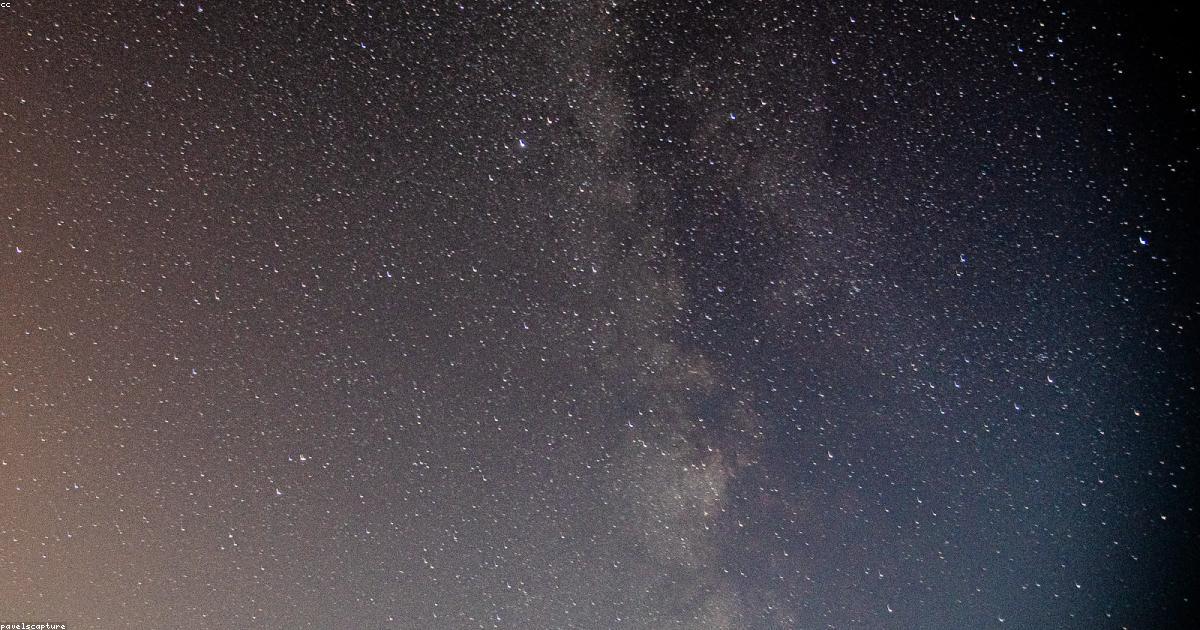
Look up at the night sky. Now look at a forest. There are more trees on Earth than stars in our entire galaxy. Let that sink in.
—
🌳 The Numbers
Trees on Earth: ~3 trillion (3,000,000,000,000)
Stars in Milky Way: 100-400 billion (100,000,000,000-400,000,000,000)
Ratio: About 7.5-30 trees per star!
—
🔬 How We Know
2015 Yale study:
- Combined satellite imagery
- Ground surveys
- Machine learning
- Previous estimate: 400 billion trees
- New estimate: 3.04 trillion trees
We were off by 750%!
—
🌍 Where Are They?
Distribution:
- Russia: 642 billion (21%)
- Canada: 318 billion (10%)
- Brazil: 302 billion (10%)
- USA: 228 billion (8%)
- China: 140 billion (5%)
Biomes:
- Boreal forests (taiga): 750 billion
- Tropical rainforests: 1.3 trillion
- Temperate forests: 610 billion
—
📉 The Bad News
We’re losing trees fast:
- 15 billion trees cut down annually
- Net loss: 10 billion/year (after replanting)
- Since agriculture began: Lost 46% of trees (5.8 trillion → 3 trillion)
At current rate: We lose 0.3% of forests per year
—
🎯 Why Trees Matter
Ecosystem services:
- Produce 28% of Earth’s oxygen
- Store 400 gigatons of carbon
- Regulate water cycles
- Prevent soil erosion
- Provide habitat for 80% of land species
Economic value: Estimated at $150 trillion
—
🌟 Fun Tree Facts
- Oldest tree: 5,000+ years (Methuselah, bristlecone pine)
- Tallest tree: 380 feet (Hyperion, coast redwood)
- Largest tree: 52,500 cubic feet (General Sherman, giant sequoia)
- Most trees per person: Canada (8,953 trees/person)
- Trees per person globally: ~422
—
Next time you see a forest, remember: you’re looking at something more numerous than the stars!