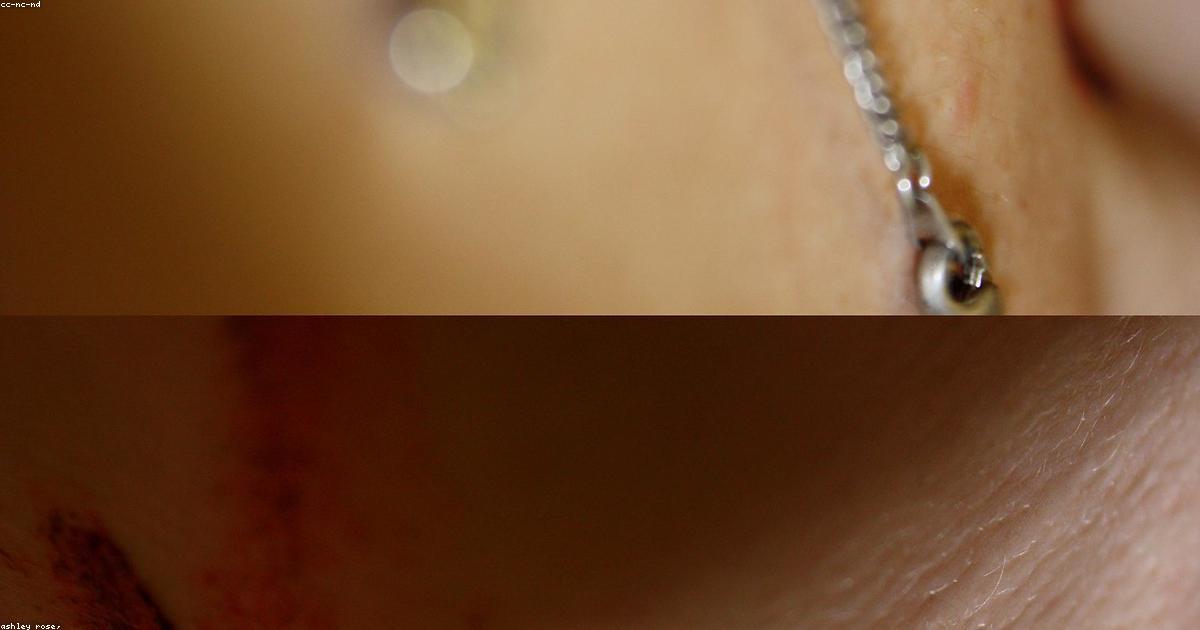
You’re cold, scared, or listening to amazing music—and suddenly, goosebumps. This tiny reflex is a window into our evolutionary past, when our ancestors were covered in fur.
—
🔬 What Are Goosebumps?
Scientific name: Piloerection (or horripilation)
The mechanism:
1. Tiny muscles (arrector pili) attach to each hair follicle
2. Stimulus triggers sympathetic nervous system
3. Muscles contract
4. Hair stands up
5. Skin bumps appear
—
💡 Why We Have Them
In Our Furry Ancestors:
For warmth:
- Raised fur traps air
- Creates insulation layer
- Keeps body warm
For intimidation:
- Raised fur makes animal look bigger
- Scares predators
- (Think: cat arching its back)
In Modern Humans:
We lost the fur, but kept the reflex!
- Vestigial response (like appendix, tailbone)
- No longer functional
- Triggered by same stimuli
—
🎯 What Triggers Goosebumps?
Physical:
- Cold temperature
- Touch
- Sudden temperature change
Emotional:
- Fear or anxiety
- Awe or inspiration
- Strong music (frisson)
- Emotional memories
The Frisson Effect:
- Musical chills
- 2/3 of people experience it
- Linked to dopamine release
- Sign of emotional sensitivity
—
🧠 The Neuroscience
Pathway:
1. Stimulus detected (cold, emotion)
2. Hypothalamus activated
3. Sympathetic nervous system triggered
4. Adrenaline released
5. Arrector pili muscles contract
Same system as “fight or flight”!
—
🌟 Fun Facts
- Each person has ~5 million hair follicles
- Goosebumps can’t occur on palms/soles (no hair)
- Some people get them from ASMR
- Animals with fur still use them functionally
- Permanent goosebumps = medical condition (keratosis pilaris)
—
Goosebumps: proof that evolution doesn’t erase—it just repurposes!